Water Treatment

Modeling and simulation optimize the design and operation of water treatment plants, maximizing efficiency and ROI by allowing processes to be adjusted and failures anticipated without costly interruptions.
From an ESG perspective, these tools ensure regulatory compliance, reduce energy and chemical consumption, and minimize environmental impact. By improving effluent quality and operational resilience, modeling drives water treatment that is more profitable, sustainable and aligned with circular economy standards.

Discharge in receiving bodies

Sometimes municipal, industrial and domestic wastewater is discharged into surface waters. Its contaminants can affect the local ecosystem, as well as subsequent uses of water.

Activated sludge systems

Activated sludge degrades organic matter in the presence of oxygen and can achieve nutrient removal, leading to the production of waste sludge and treated water. This method is used for the treatment of domestic and industrial wastewater.

Nutrient removal

Nutrient removal is the complete removal of nitrogen and phosphorus from the wastewater treatment effluent. This method is used to prevent eutrophication of water bodies.
Selected Projects

Developed by Modela

Surface discharge of pollutants

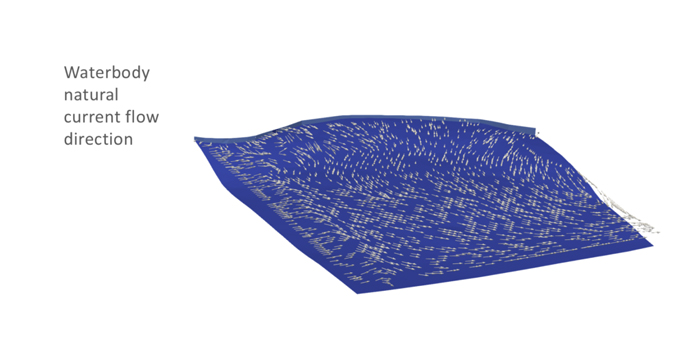
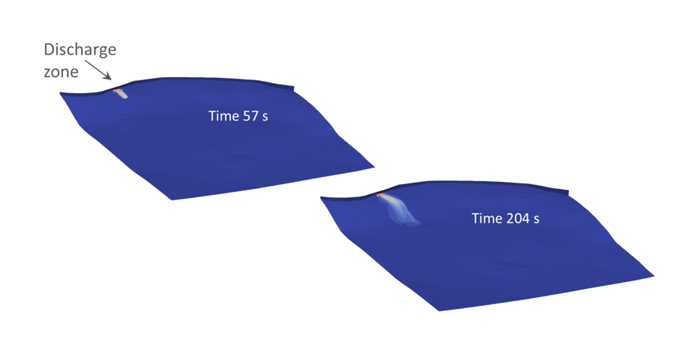
Virtual prototype of a superficial discharge system for predicting the plume transport.

​Study of the effect of the waterbody current on the pollutant dispersion.​​

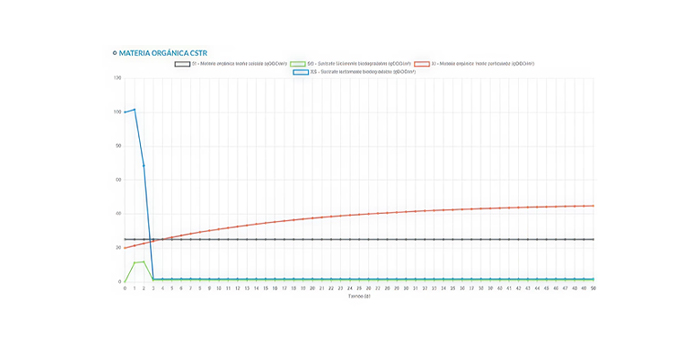
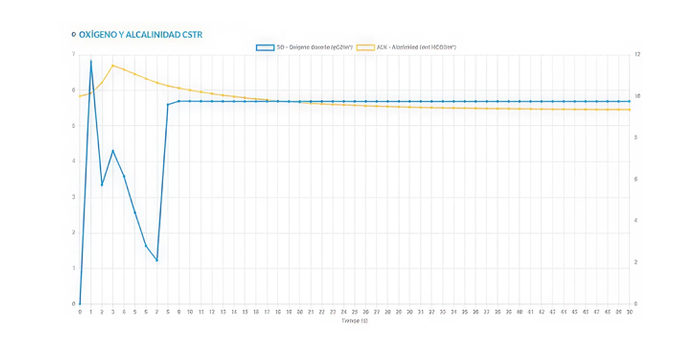
Behavior of activated sludge system in different configurations

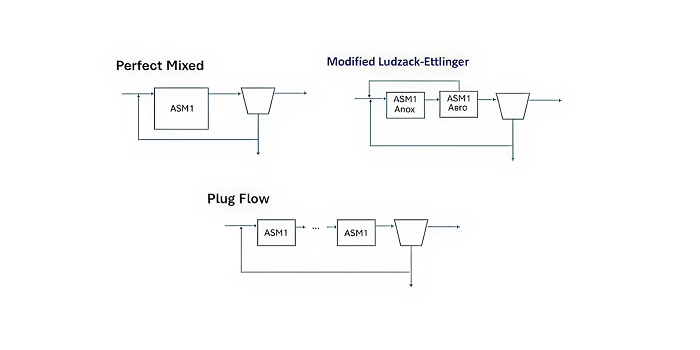
3 virtual systems were implemented based on the ASM1 model, for three activated sludge system configurations: complete mixture, Ludzack-Ettlinger and Plug Flow.

Nitrogen removal from DA digestate

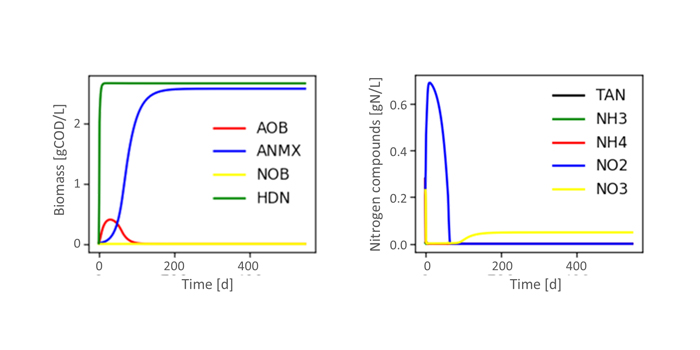
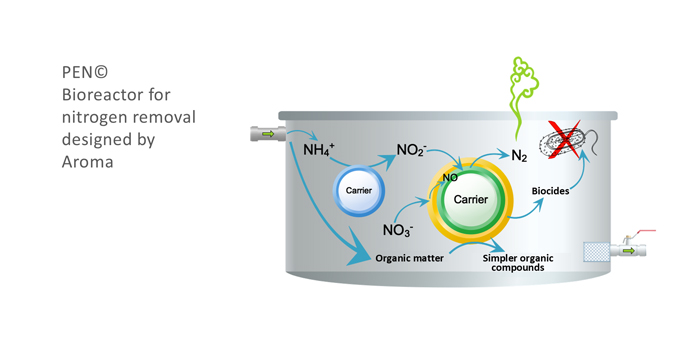
Generation of PEN© bioreactor model (Aroma SPA), to evaluate the effect of operating conditions on nitrogen removal efficiency. Evaluation of operating conditions to minimize the needs for experimental tests.

To enquire more information
about our virtual prototypes