Aquaculture

Aquaculture faces major challenges in achieving economic, social and environmental sustainability.
Modeling and simulation optimize aquaculture production, reducing costs and improving ROI by allowing scenarios to be evaluated without real operating expenses. In the ESG area, these tools promote sustainability through more efficient management of water and energy resources, minimize ecological impact and anticipate environmental risks. Together, they promote more profitable, resilient aquaculture that is aligned with sustainability standards.

Recirculating Aquaculture Systems​

RAS is used for water treatment in hatcheries, and involves the separation of solids, removal of ammonia, and oxygenation. This system is key for reducing fresh-water usage and maintaining a healthy environment for fish growth.​​

Air Diffusers​

Diffuser technologies are used to inject air bubbles underneath the water. These systems can have different purposes, such as oxygen release and creating a physical barrier against algal bloom.​​

Tanks Design​

Hatcheries require the use of different tanks for various process units. Tank design is crucial for meeting production demand while attaining suitable fluid circulation and operating conditions, such as temperature and pH .​
Selected Projects

Developed by Modela

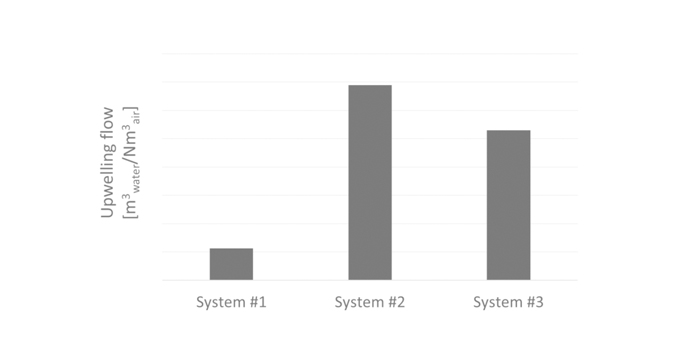
Upwelling flow for offshore farming

Virtual prototypes of air injection systems underneath seawater for comparing their efficiencies.​

​Study of the fresh-water flow upwelled under various operating conditions.

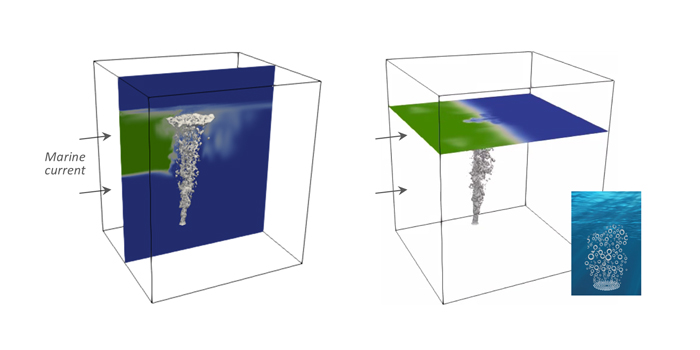
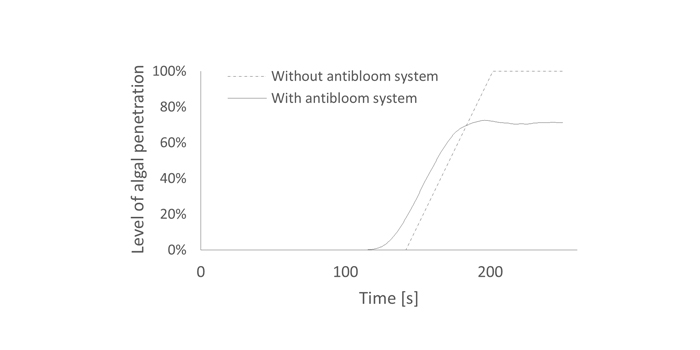
Antibloom system for aquaculture

​Virtual prototype of concentric air ring spargers underneath seawater for assessing antibloom effects. ​

Quantification of the capacity to deviate and dilute algae carried by sea current.

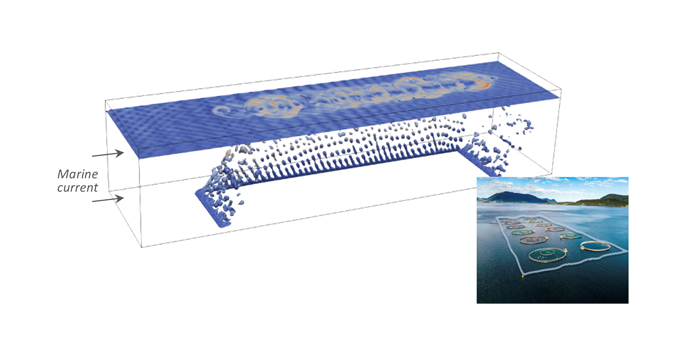
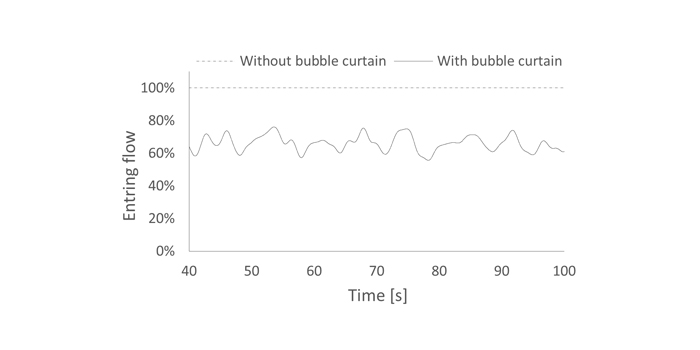
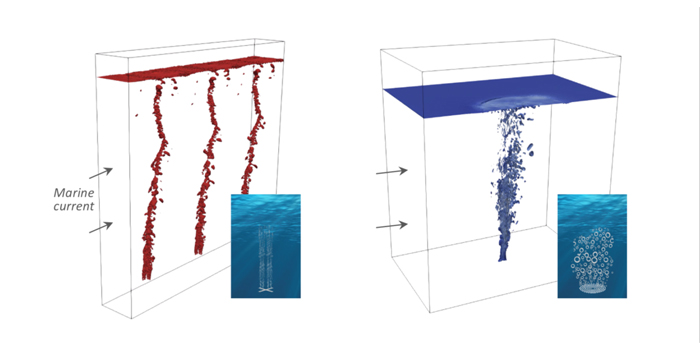
Bubble curtain for aquaculture

Virtual prototype of an air bubble curtain underneath seawater for simulation of antibloom barrier.

Evaluation of the effectiveness of the system for deviating the incoming algae.

To enquire more information
about our virtual prototypes